
What is upper eyelid blepharoplasty?
Upper eyelid blepharoplasty refreshes tired eyes by removing excess skin and restoring a youthful appearance. By excising extra skin, muscle, and occasionally fat, cosmetic upper blepharoplasty, commonly referred to as cosmetic eyelid surgery, improves the look of the upper eyelids. This procedure addresses problems including puffiness, drooping eyelids, and mild asymmetry to help produce a more young and rejuvenated appearance. Upper blepharoplasty clinics in Dubai offer expert care for refreshed, youthful-looking eyes.
Every patient receives natural and ideal results since the technique is tailored to their specific demands and aesthetic preferences.
Upper blepharoplasty surgery in Dubai only affects the upper eyelid, while some types of blepharoplasty may also treat the under-eye region.
A blepharoplasty can help address issues with the upper eyelids, yet surgery isn’t always the best course of action. Continue reading to find out more about this surgery, including potential risks and recovery factors you might want to talk about with a physician or other healthcare provider.
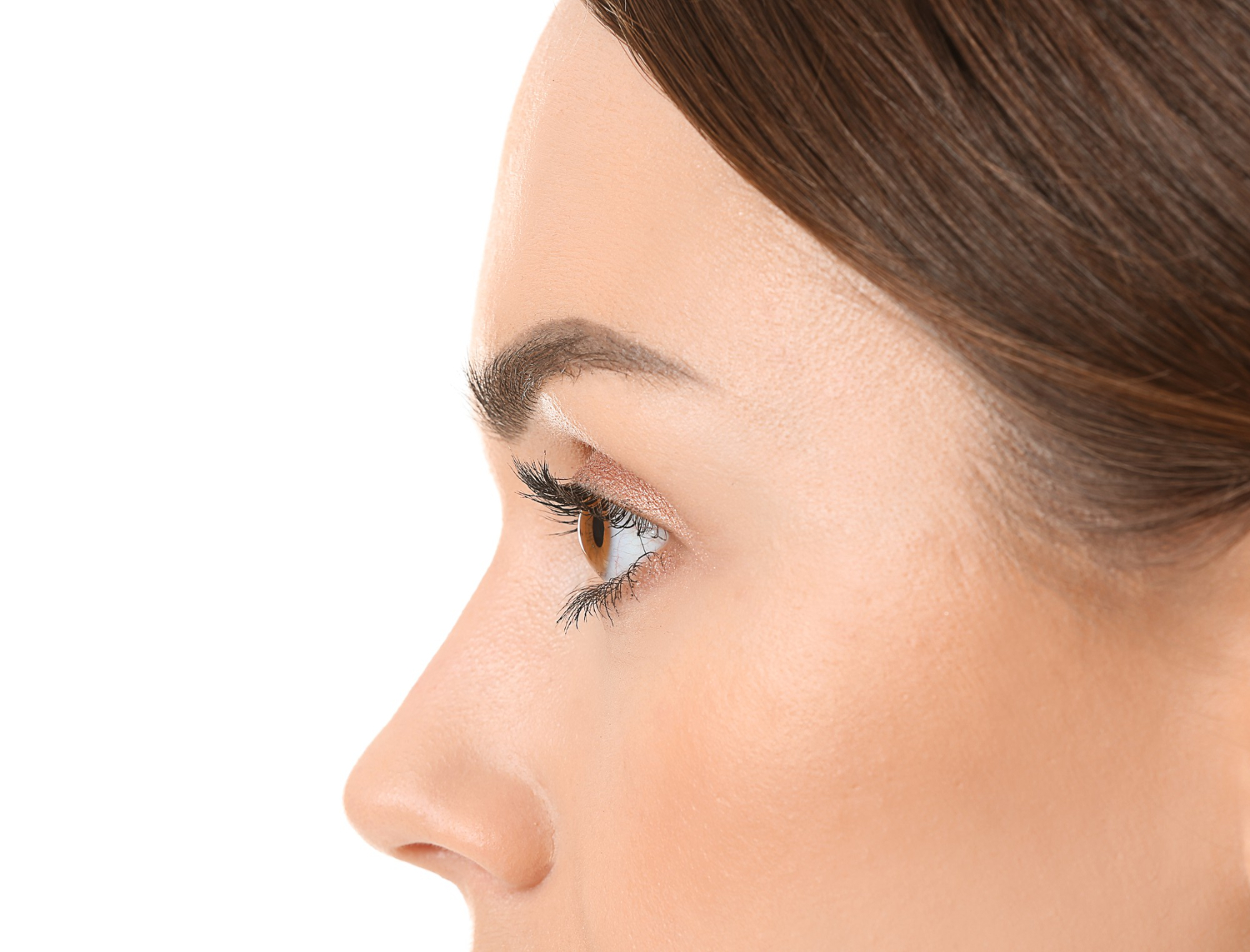
Who is an ideal candidate for the upper blepharoplasty surgery?
An ideal candidate for the upper blepharoplasty surgery is someone who usually has clear, reasonable expectations, is in generally excellent health, and wants to improve their appearance while maintaining a youthful, natural appearance that accentuates their facial traits. Since they frequently exhibit obvious indications of aging around the eyelids, most people in their 30s or older are thought to be excellent candidates for the surgery. But the procedure can also be quite helpful for younger people with inherited eyelid issues.
Candidates for an upper blepharoplasty are those:
- Have drooping (sagging) eyesight problems or cosmetic concerns. Eyelids do not smoke and do not suffer from any severe eye disorders.
- Have reasonable expectations for the outcome and are deemed healthy overall, free of any chronic illnesses that might hinder recovery.
Understanding the upper blepharoplasty treatment
How is the upper blepharoplasty surgery performed?
The upper blepharoplasty surgery is performed under anesthesia. During the treatment, a tiny incision in the upper eyelid’s natural crease removes extra skin, muscle, and fat. We make the incision in the crease to minimize the visible scars.
Usually, local anesthesia or local anesthesia combined with sedation is used during upper eyelid surgery to keep the patient comfortable during the process. Compared to general anesthesia, this type of anesthesia also offers fewer side effects and a faster recovery. Upper blepharoplasty recovery in Dubai is quick.
What are the risks of the upper blepharoplasty surgery?
The risks of the upper blepharoplasty surgery are mild. Upper eyelid surgery in Dubai is safe and successful when carried out by a highly qualified surgeon. However, there are dangers associated with any procedure, such as
- Bruising that is temporary
- Dry eyes
- Asymmetry, or trouble shutting the eyes during the early stages of recuperation are less frequent complications
- A smooth recovery is ensured and dangers are reduced by following the surgeon’s post-surgery care recommendations
Possible risks and side effects of an upper blepharoplasty are mild. It’s crucial to go over all potential dangers and side effects with a surgeon before deciding to get eyelid surgery.
Infection
An upper blepharoplasty has the same risk of infection as any other invasive procedure involving incisions. If the wound site is causing you severe discomfort, irritation, or drainage, give a doctor a call.
Scarring from upper blepharoplasty
If the incisions don’t seal correctly or you have issues recovering from the procedure, you may develop scarring on the eyelid.
Following upper blepharoplasty, swelling
Bruising, edema, and pain are transient adverse effects of cosmetic surgery. However, if your persistent discomfort and swelling persist for more than two weeks, you should consult a physician.
Bleeding in the eye socket is an uncommon adverse effect that requires immediate treatment.
Upper blepharoplasty procedure
The upper blepharoplasty procedure is painless. A certified outpatient facility or a hospital may have a medical expert perform an upper blepharoplasty.
Before the procedure
To get the best results, a surgeon will conduct a comprehensive examination and collect several measures. We take pictures both before and after the treatment to document your appearance.
The doctor will advise you not to smoke, consume alcohol, or take any vitamins or blood thinners prior to your eyelid surgery. If your procedure involves general anesthesia, you must fast the night before. Additionally, you should plan beforehand for a trip home.
During the procedure
A local anesthetic will first be injected into your eyelid by the surgeon. To prevent pain or discomfort during the treatment, the injection will assist in numbing the region. In certain situations, we may use a general anesthetic.
To remove protruding fatty tissues and peel back extra skin, a surgeon performs an upper blepharoplasty by making incisions along the eyelid crease. Before reshaping the eyelid and sealing the wound, a surgeon removes any loose skin. The wound may need to be closed with sutures.
After the procedure
A doctor can put you in a recovery room after eyelid surgery to make sure you’re healthy enough to return home. Prior to your release, they will discuss with you the use of cold compresses or eye ointments and, if necessary, prescribe painkillers.
Frequently Asked Questions
Yes, you will be able to see after the upper blepharoplasty surgery. However, swelling or protective eye ointments may cause vision to become momentarily hazy. Usually, the issue goes away in a few days. As the swelling goes down, it will be easier to see how much your eyelids have improved, and your eyesight won’t be permanently compromised.
The upper blepharoplasty recovery process is quick. After a cosmetic upper blepharoplasty, recovery is typically simple. You may experience some discomfort, bruising, and swelling.
The surgeon typically removes any stitches from the skin incision on the upper eyelid five days after surgery. Your eyelids might not fully heal for a few months, and it can take 9 to 13 days before you can return to work and other activities.
A doctor would advise you to refrain from any activities that might strain your eyelids and hinder their capacity to heal during the recovery phase. Avoiding cosmetics for up to two weeks may also be part of this.
A surgeon would advise long-term UV protection, such as hats and sunglasses, to help you maintain the effects of your procedure. Additionally, following surgery, you might need to wear glasses but refrain from wearing contacts for a few weeks.
There will be no visible scars after the upper blepharoplasty procedure. To provide minimal and discrete scars, the incision is carefully positioned within the eyelid’s natural crease. The scar will gradually disappear and blend in with the skin’s natural creases with the right aftercare, which includes scar-reducing procedures.
Yes, the upper blepharoplasty results are long-lasting. Upper blepharoplasty outcomes are intended to endure for several years. The normal aging process continues even when the surgery permanently eliminates extra tissue. Although there may be some gradual loss of skin suppleness, the rejuvenated look brought about by surgery will continue to be a discernible improvement.
Our committed medical staff will ensure a comfortable recovery following your surgery by providing thorough aftercare instructions customized to each patient’s unique treatments. We will set up follow-up sessions to closely monitor your healing process and address any questions or concerns that may arise. Our staff is totally dedicated to helping you at every stage, offering direction and inspiration to assist you in getting the greatest results for your health and well-being.
You should expect upper blepharoplasty results immediately as swelling subsides, typically within a few weeks. Following surgery, you can have double vision, watery eyes, light sensitivity, hazy vision from the lubricating ointment, or some pain or discomfort. There will be swelling and bruises. Usually, such symptoms will go away in ten to fourteen days.
It might take months for the surgical cuts’ scars to go away. Avoiding excessive sun exposure during this period is crucial for the sensitive skin around your eyelids.
The majority report that their vision field has improved, and they are pleased with the outcome. Some individuals may experience permanent improvements.
Insurance typically does not cover eyelid surgery for cosmetic reasons. Whether the operation corrects a vision-impairing problem determines whether your insurance will fund it. Your insurance won’t cover the procedure if its sole purpose is to enhance your appearance.
For both men and women, upper eyelid surgery is frequently performed to restore a more open look and visual field. Speak with your primary care physician or ophthalmologist if you have any concerns regarding your vision field or excess skin around your eyelids.
The purpose of an upper eye blepharoplasty is to treat sagging tissues along the eyelid region. If your eyelids are bothering you and feel heavy, you may want to explore this surgery for cosmetic reasons.
Mechanical ptosis, a disorder where the eyelids droop due to the weight of extra skin and protruding fat pads that can impair vision, may also be treated with this procedure. If you frequently have dermatitis from skin friction, you could also be interested in this therapy.
Upper blepharoplasty cost varies. Medical insurance typically does not cover treatments like upper blepharoplasty. Upper Eyelid Surgery Cost Dubai reflects that this is especially the case when the surgery is performed solely for cosmetic purposes.
If you’re undergoing eyelid surgery to treat issues affecting your eyesight, there could be an exemption. To properly record any handicap, a doctor will need to conduct a few more tests. Your specific plan will determine any potential insurance coverage, so it would be worthwhile to check your eligibility in advance with an insurance provider.
Upper eyelid surgery in Dubai is finalized during consultation. You can discuss other payment options with the surgeon’s office if your insurance does not cover an upper blepharoplasty. They could provide financing, and others might give you a discount if you pay cash.