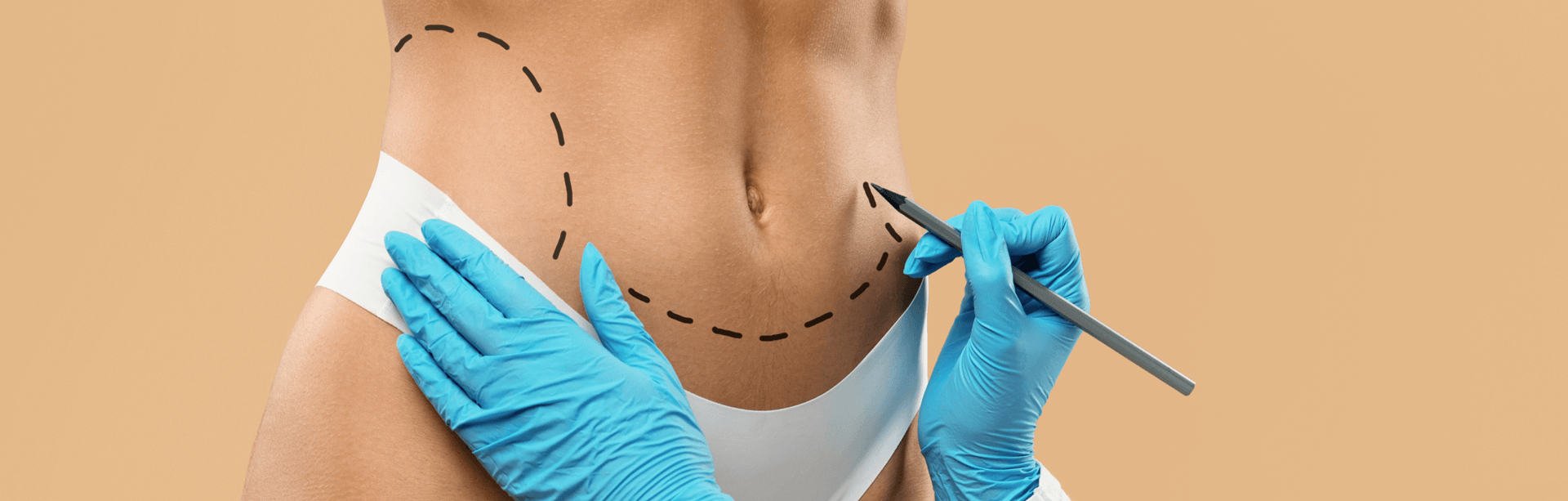
Rebuilding a flatter abdomen with better support
When the abdomen has changed in a way that workouts cannot fully undo, a tummy tuck can be the step that brings everything back into balance. A tummy tuck (abdominoplasty) is a surgical procedure that improves the abdominal contour by removing excess loose skin and fat, and—when needed—tightening the abdominal muscles to create a firmer, flatter profile. It is commonly considered after pregnancy or significant weight loss, when strength may return but stretched tissues and loose skin remain.
The goal at Mayam Aesthetic is not an unrealistic “perfect stomach.” The focus is a comfortable, proportional result that suits your frame—cleaner lines in clothing, better support through the core, and an outcome that looks natural rather than overdone.

What a tummy tuck fixes that
gym work often cannot
A tummy tuck works best when the main problems are:
- Loose, hanging abdominal skin
- A stretched abdominal wall that doesn’t support the core as well • A lower-abdomen shape that stays prominent even when weight stays the same
- Stretch marks and extra skin in the area that is being cut out (if needed)
If your main problem is a lot of fat and good skin elasticity, liposuction may be an option or a supplement. A tummy tuck is very different from liposuction because it also removes extra skin and, if necessary, tightens muscles.
How Mayam Aesthetic
plans the result
Not just the operating time, but also planning is important for a good outcome. Your evaluation at Mayam Aesthetic centers on three pragmatic inquiries:
- Is the problem mostly with the skin, fat, muscle, or a mix of the three?
- What will happen to your skin after it has been tightened and reshaped?
- What is a realistic shape for your body and how you stand?
We also talk about timing here. If you think you will lose or gain a lot of weight or get pregnant in the future, this could affect how long the results last and should be part of the decision.
Procedure overview
in plain terms
A tummy tuck removes excess skin and fat and can tighten the abdominal muscles to improve support and flatten the abdominal profile. The exact technique varies depending on how much skin needs removal and whether muscle tightening is required.
Incision placement and scar pattern are discussed openly in advance. The goal is a scar that can sit discreetly within typical clothing lines while allowing the correction needed for a smoother abdomen.
Recovery: what matters
in the first month
The early stages of recovery are all about protecting tissues that are healing. Light movement, like short walks, is often recommended early on because it helps blood flow and lowers some risks.
At first, swelling and tightness are normal. You might also have drains in some situations, depending on what the surgeon plans to do and how much fluid is expected.
A compression garment is often suggested during recovery to help control swelling and support the new shape as it heals.

A quick reality check about “results”
In the first week, results are not judged. The swelling goes down slowly, and the abdomen keeps getting better as the tissues soften and the scars mature. One of the most important things you can do to keep the results the same over time is to keep your weight stable.
We at Mayam Aesthetic make it clear what to expect at each stage so you know when it’s time to look at the final shape.
Safety and suitability
Any surgery involves risk, and candidacy matters. Age, health status, and medical history can influence complication risk, and this should be discussed honestly during consultation. For example, patients 65 and older who had a tummy tuck developed more serious complications than younger patients, highlighting why individual risk assessment is important.