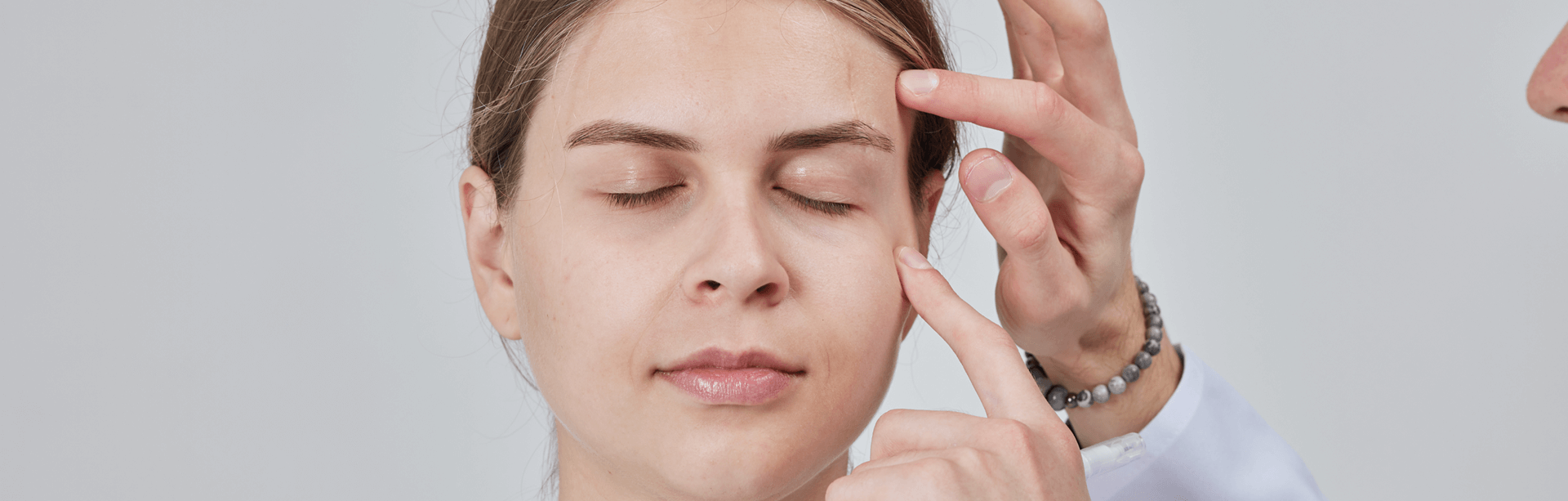
Brighter eyes, lighter lids, and a more rested look
When the area around your eyes starts to change, you may not notice it in the mirror right away, but it will show up in pictures. Your upper lids may look heavier, your makeup may not stay in place, and your eyes may look smaller or more tired, even if you feel fine. Puffiness or loose skin under the eyes can make you look “tired” all the time, and concealer won’t help.
Blepharoplasty is a type of surgery that improves the appearance of the eyelids by removing or repositioning excess skin and, if necessary, adjusting fat or tightening the supporting tissue. When done correctly, the result is not a dramatic change—it simply makes the eye area look cleaner, fresher, and more open while staying natural. Mayam Aestetic plans blepharoplasty with a conservative aesthetic approach, aiming to reduce heaviness and improve definition while preserving function, balance, and avoiding an over-surgical look.
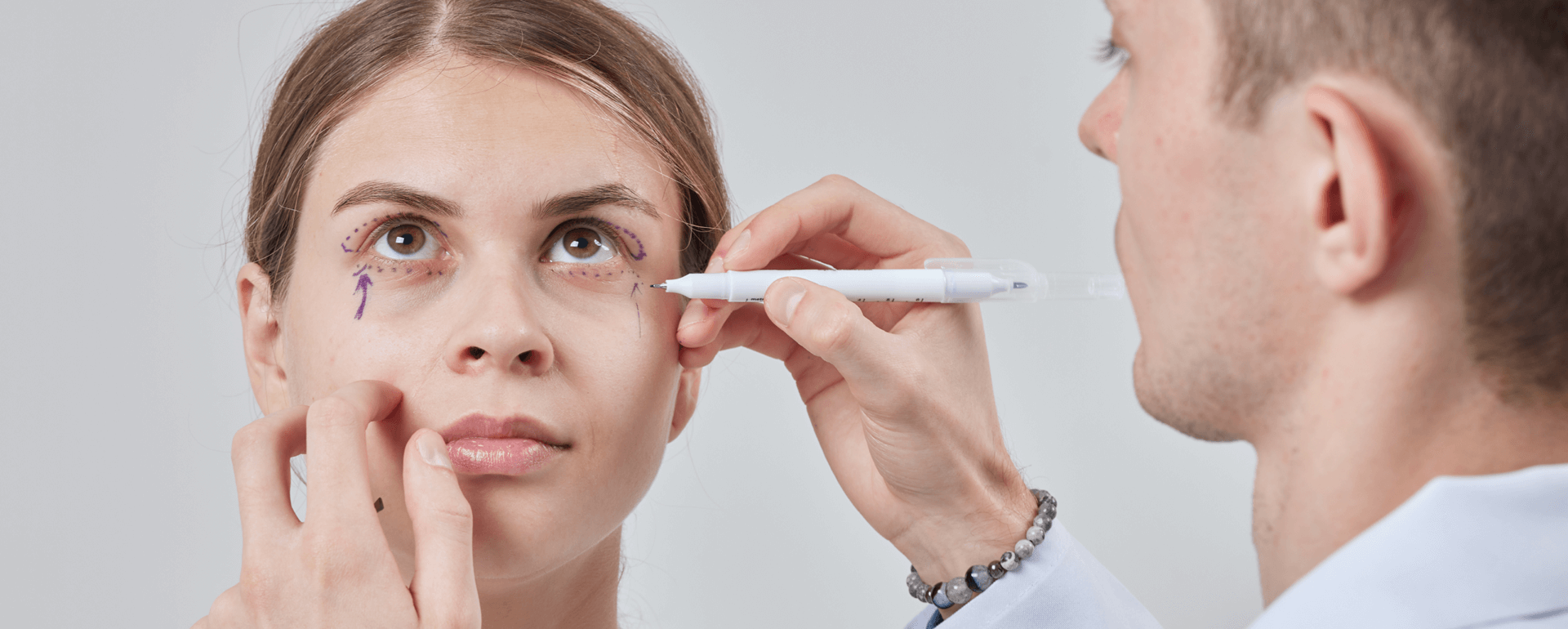
What blepharoplasty can treat
Blepharoplasty can be performed on the upper eyelids, lower eyelids, or both, depending on your concerns. It may help with:
- Heavy upper lids that make the eyes look smaller
- Excess upper lid skin that affects makeup application
- A tired or “hooded” appearance
- Under-eye puffiness caused by prominent fat pads
- Loose lower lid skin and early creasing
- A combination of skin laxity and under-eye fullness
Sometimes, heavy upper lids can also make things look heavy. Your consultation will help you figure out if eyelid surgery is the best option or if there are other options that don’t involve surgery that could help first.
How we plan eyelid surgery at Mayam Aestetic
Planning is more important than promises because the eyelid area is so sensitive. The main goal of your consultation is to figure out what is causing the problem. Some patients have mostly loose skin, some have fat prominence, and some have both plus loss of cheek support, which makes the lower lid look different.
During assessment, we typically review:
- Lid skin laxity and position
- Under-eye puffiness and fat distribution
- Natural eye shape and asymmetry
- Skin thickness and healing behaviour
- Whether brow position is contributing to upper lid heaviness
This step ensures the treatment matches the cause, not only the appearance.

Recovery: what to expect
Most patients experience swelling and bruising around the eyes in the early stage. This is normal and improves gradually. You will be given clear aftercare guidance to support clean healing and reduce irritation.
Typical recovery pattern:
- Days 1–3: swelling and bruising are usually at their peak
- Week 1: stitches are removed if required, and bruising begins to fade
- Weeks 2–3: most visible bruising resolves for many patients
- Weeks 4–8: the eye area continues to refine and settle
Final results become clearer as swelling fully resolves and tissues soften naturally.
Natural results, not a different face
One of the most important points about blepharoplasty is that the best results do not announce themselves. You should not look “done.” You should look well-rested.
At Mayam Aestetic, the surgical approach is designed to:
- Preserve your natural eye shape
- Avoid hollowing the under-eye area
- Prevent an over-tightened look
- Maintain symmetry and soft transitions
This is how eyelid surgery remains elegant and believable.
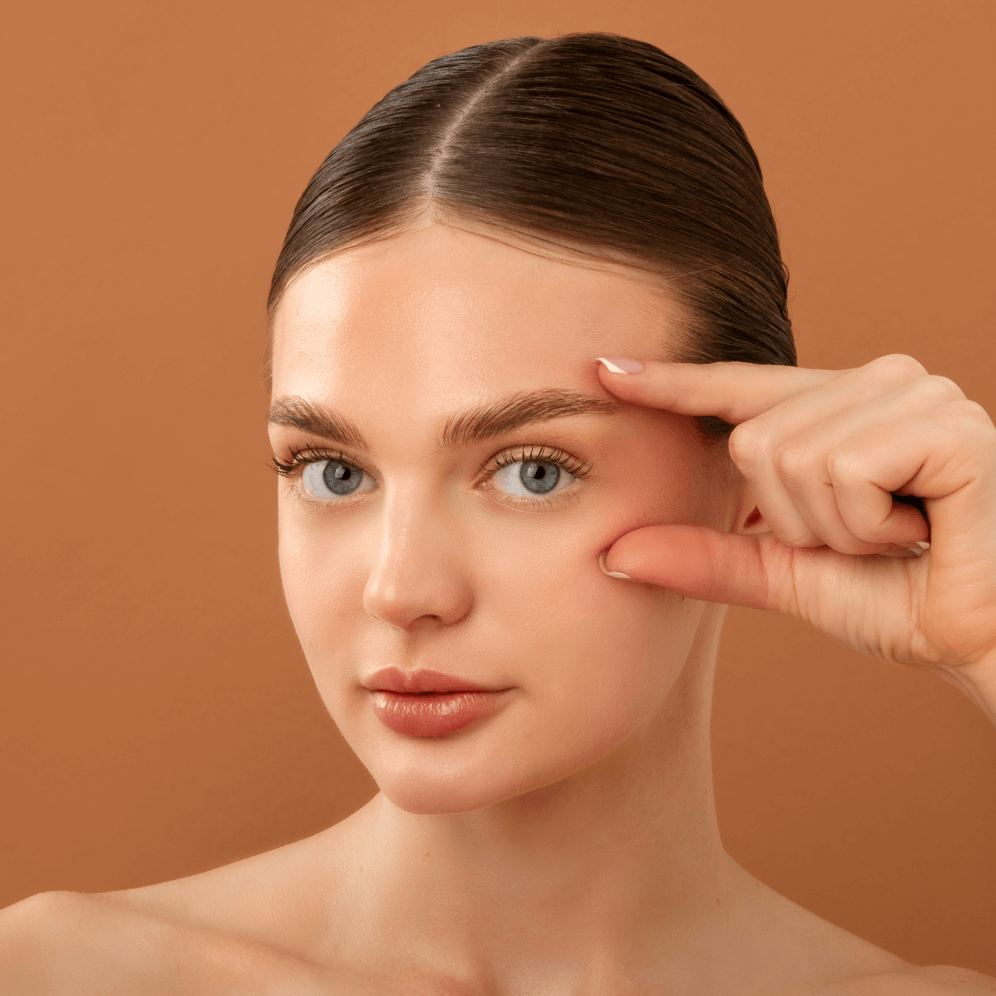
Who may be suitable for blepharoplasty?
If you have heavy upper lids, puffy under-eye bags, or loose skin around your eyes that doesn’t get better with non-surgical options, blepharoplasty may be a good choice for you. People who are good candidates are usually healthy, have realistic expectations, and know that healing takes time.
A proper assessment is very important, especially if you have dry eyes, have had eye surgery in the past, or have other health problems that make healing harder.