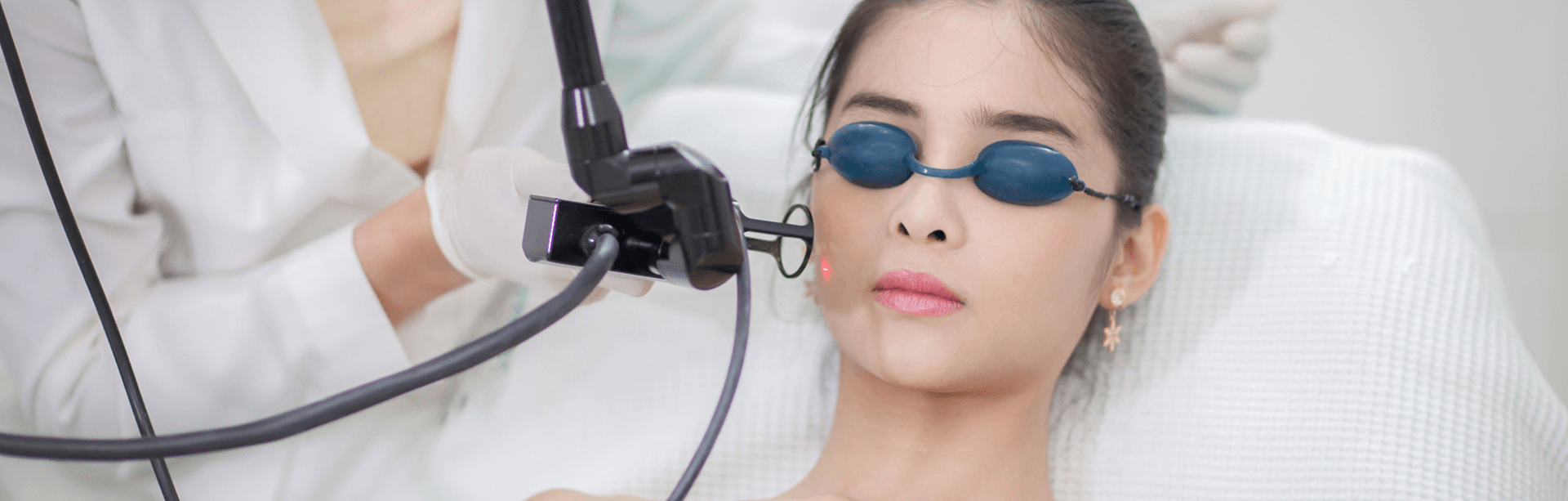
Concentrated platelets for skin and hair renewal

Magellan PRP is in a class of its own if you want something that helps your skin or hair in a more natural way. Instead of adding volume or resurfacing the skin, it takes a small sample of your blood and makes concentrated platelet-rich plasma. Then it sends this plasma to specific areas to help repair processes and make the tissue look healthier over time. A lot of people choose it for skin rejuvenation or early hair loss, especially when they want a gradual, believable change with little downtime.

The way it is planned is just as important as the PRP itself. Mayam Aesthetic promotes Magellan PRP as a regenerative treatment that focuses on quality and vitality. The goal is to make your skin look stronger and your support healthier without changing your features or making you look “over-treated.”

The idea behind Magellan

The first step in PRP is to take a small amount of blood. A centrifuge is used to process that sample so that the platelet-rich part is separated and concentrated. Platelets have growth factors that help repair and grow new tissue. Then, the PRP is put back into the areas that are being treated, usually with micro-injections or a focused application method.

The Magellan method is attractive because it gives you control. Magellan systems are made to give a more stable concentration and a more controlled output than basic PRP preparation. This helps make a clearer treatment plan.


What actually happens on treatment day

A Magellan PRP appointment is usually straightforward:

  1. Review and suitability check, including medications that affect bleeding or clotting.
  2. Blood draw and processing to isolate the platelet-rich portion.
  3. Targeted delivery into the planned zones.

The safety details that matter

Because PRP is made from your own blood, you shouldn’t have any allergic reactions. The main safety concerns are cleanliness and proper handling. There is a small chance of infection and bleeding with any procedure that uses needles, so it’s important to tell your doctor if you take blood-thinning drugs. PRP can also cause pain, bruising, and swelling that goes away in a few days.

Expectations are another important point. There are still questions that doctors don’t have answers to about PRP, and the results can vary. It’s important to have a good consultation, and you should feel free to ask about possible outcomes, common problems, and aftercare.

Aftercare that protects the result

Aftercare is usually simple:

  • Keep the treated area clean and avoid rubbing for the rest of the day.
  • Follow your clinician’s advice about anti-inflammatory medicines, alcohol, and smoking around the procedure.
  • If you develop increasing redness, heat, swelling, discharge, or feel unwell, seek medical review promptly.

How soon will you see a difference

If you respond well, changes typically build within a few weeks and may continue improving for months. Many people who see benefit have a short course of treatments rather than a single session, with timing adjusted to the concern being treated.