
Brighter tone,
not a different face

People who ask for a “skin whitening injectable” usually want skin that looks clearer and more even and reflects light better. Even if you have good features and a good skin care routine, your skin can look tired because of dullness, patchy pigmentation, post-acne marks, and sun spots.

Mayam Aesthetic’s philosophy is to make sure that the results are natural and respectful of who you are. Instead of trying to change your skin tone artificially, the focus is on tone refinement: making uneven pigment less visible, making your skin look more radiant, and supporting healthier skin quality so you look more fresh and glowing—still unmistakably you.
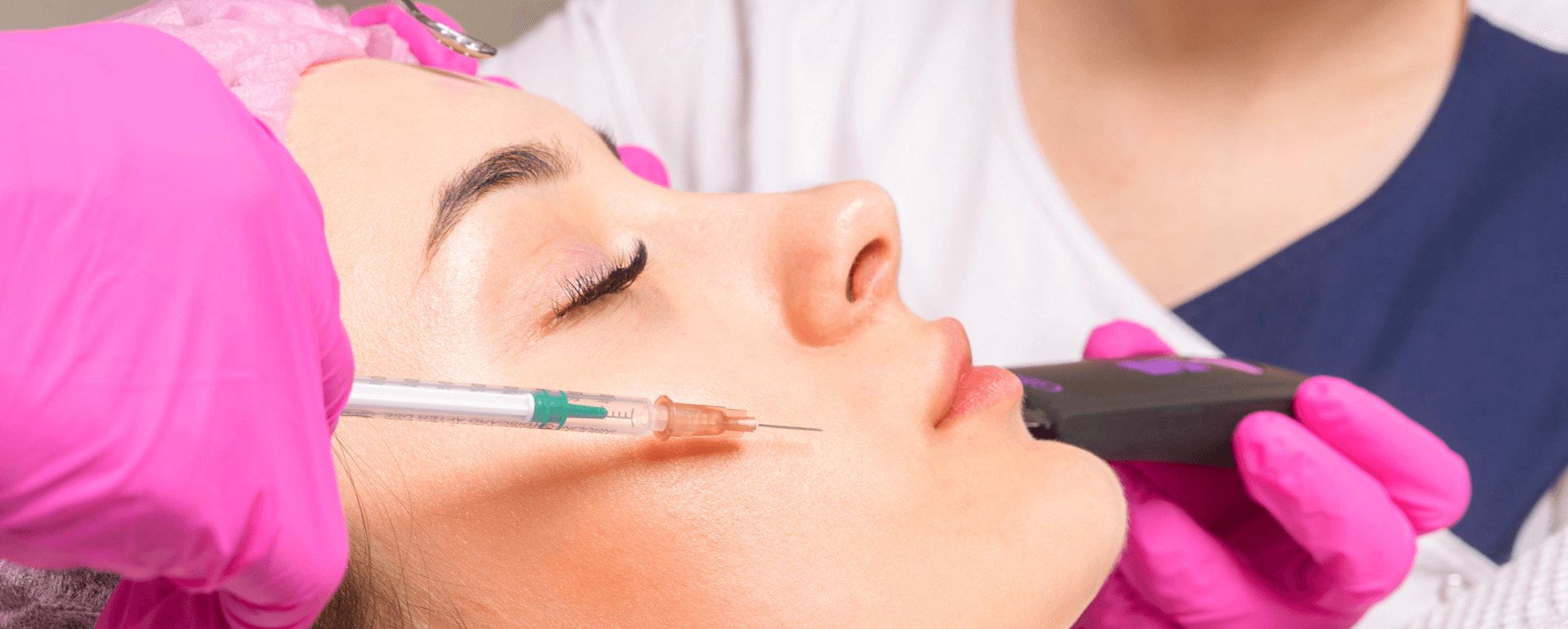

What “whitening” really means in a medical setting

A responsible “whitening” plan is better described as brightening and depigmentation support. It targets:

  • uneven tone (dark spots, sun spots, post-inflammatory marks)
  • dullness and rough texture that reduce glow
  • early laxity or dehydration that makes the skin look flat

If someone promises a dramatic full-body colour change from injections, that is a red flag. Aesthetic medicine should be realistic, measured, and safe.

Why pigmentation keeps coming back

One thing rarely causes uneven pigmentation. It often comes from a mix of:

  • Damage from the sun that you can see and UV rays
  • Inflammation (acne, irritation, harsh products)
  • Hormonal triggers (for some skin types)
  • Skin sensitivity and genetics

That’s why one shot by itself is rarely the whole answer. When you treat the trigger and protect the skin while it heals, the results last longer.

Your tone-correction strategy is usually layered

To keep the result natural and consistent, we typically work in layers:

  1. Calm and stabilise the skin (especially if it is reactive or inflamed)
  2. Correct the visible uneven tone (spots, marks, patchiness)
  3. Improve surface quality (texture, hydration, radiance)
  4. Protect the progress (sun habits, barrier support, maintenance)

This approach avoids the common cycle of “brief brightness, then patchy relapse”.

How sessions are commonly planned

Most injectable skin-quality programs work best when you go to them for a short time, not just once. A common schedule is to have a few sessions a few weeks apart, then a review and maintenance only if needed.

We like to do things in stages at Mayam Aestetic because it keeps the results under control. It also lets us change the plan based on how your skin reacts, instead of assuming that all skin acts the same way.

What it feels like and what you may see afterwards

Most patients describe the sensation as quick pinches or pressure. Temporary effects can include:

  • small bumps at injection points for a short time
  • mild redness or sensitivity
  • occasional bruising, depending on skin and technique

These usually settle quickly, and the skin typically looks more refreshed as it calms and hydrates.

When to delay treatment

Injectables are still medical procedures. Treatment may be postponed if you have:

active skin infection, inflamed acne flare, or open lesions in the area

a current illness or fever

pregnancy or breastfeeding (depending on the protocol and medical advice)

a history that requires medical clearance

A proper consultation should always include a suitability review and a clear explanation of what is being used and why.