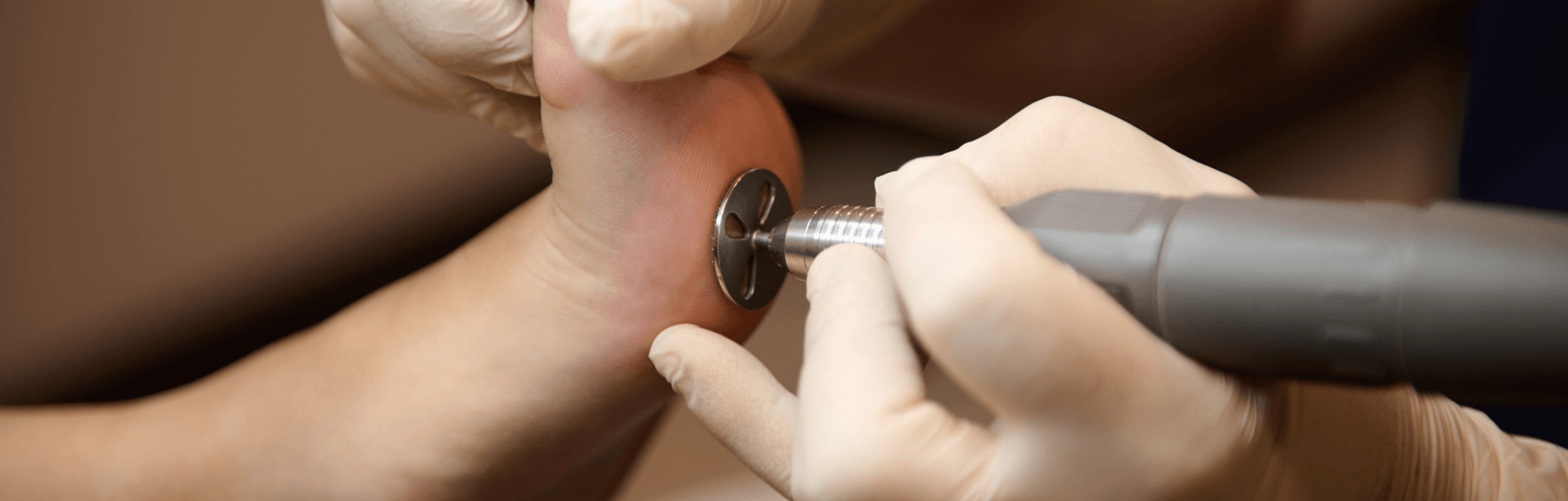
Get rid of the bump, protect the skin
Warts are common, hard to get rid of, and often more annoying than people think. They can get stuck on clothes, hurt the soles of your feet, or just be uncomfortable and embarrassing. Some warts go away on their own, but many stay for months or longer. They can also spread to other parts of the body or to other people through contact.
Controlled, skin-friendly removal is the most important thing at Mayam Aesthetic. The treatment has a clear goal: to safely remove the wart while keeping the skin around it as calm as possible and lowering the chances of it coming back by using the right technique and giving the right aftercare advice.
Not every “wart” is actually a wart
A raised bump can look like a wart, but it could be something else. Skin tags, corns, calluses, and some moles can sometimes look like warts, especially on the feet. That’s why it’s important to get a proper diagnosis before trying to treat or remove something at home. The plan changes based on the type of lesion, where it is, and how deep it is.

Why warts keep coming back
Warts are caused by a virus that affects the top layers of the skin. Even if the surface looks better, there may still be small areas of tissue that are infected with the virus, especially if the wart is thick or on a high-pressure area like the sole. This is why getting rid of warts sometimes takes more than one session or a combination of treatments instead of just one “quick fix.”
Which areas are most commonly treated
Warts can appear almost anywhere, but the most common areas include:
- Hands and fingers (often from contact and small skin breaks)
- Feet and soles (plantar warts, often painful when walking)
- Around nails (can be stubborn and sensitive)
- Face and neck (needs a more cautious approach to minimise scarring)
At Mayam Aestetic, the technique is chosen based on the area and the risk of irritation or marking.
Treatment options that may be used
There isn’t one “best” way to get rid of all warts. What works depends on how thick the skin is, where it is, how sensitive your skin is, and whether you want the fastest or most cautious method.
Targeted freezing
A controlled freezing method can be used to make the wart scab over and fall off. This often needs to be done again for lesions that don’t want to go away. It is normal for a blister and crust to form.
Medical topical treatment
Some cases respond favorably to topical treatments that progressively degrade wart tissue. These need to be done consistently and with care so that they don’t hurt the skin around them.
Removal by cautery or scraping techniques
For some warts, it might be possible to remove them directly. These methods can get rid of the wart more quickly, but they may leave a more noticeable mark, depending on where it is and how quickly you heal.
Laser for resistant warts
If warts don’t go away or come back often, laser treatments may be included in a more advanced plan.
During your consultation at Mayam Aestetic, we choose the best option based on safety, the wart’s appearance, and how long you want to be out of work.
How to reduce spreading during treatment
While you are treating a wart (or waiting for removal), small daily habits matter:
- Avoid picking or shaving over the wart
- Keep the area clean and dry
- Use your own towel for the area and do not share it
- Cover warts on hands or feet if they rub or frequently contact surfaces
- Avoid using the same nail tools on affected and unaffected skin
These steps help reduce reinfection and transmission.
Aftercare: what makes healing look neat
After removal, the skin may be red, tender, or slightly swollen. Depending on the method used, you may also see blistering or a scab. The most important rules are:
- Do not peel or pick the scab
- Keep the area clean and follow the care instructions exactly
- Avoid friction and heavy heat exposure on the treated site until it settles
- Protect the area from sun exposure if it is in a visible zone, as this helps minimise uneven colour during healing
Most areas calm down steadily over the following days, and the treated spot typically looks smoother once the surface settles.
When wart removal should be checked urgently
Not all bumps that look like warts are safe. Before trying to remove the lesion, it should be properly looked at if it is changing quickly, bleeding a lot, hurting a lot, or looks very strange.
Mayam Aestetic can look at the lesion, make sure the right diagnosis, and pick the best way to remove it with clear aftercare instructions for a smooth recovery.